hexagonal Phosphates
Apatite
Formula Ca5(PO4)3(F,Cl,OH)
Crystal Structure
 #! Species: Apatite
#! System: Hexagonal (6/mmm)
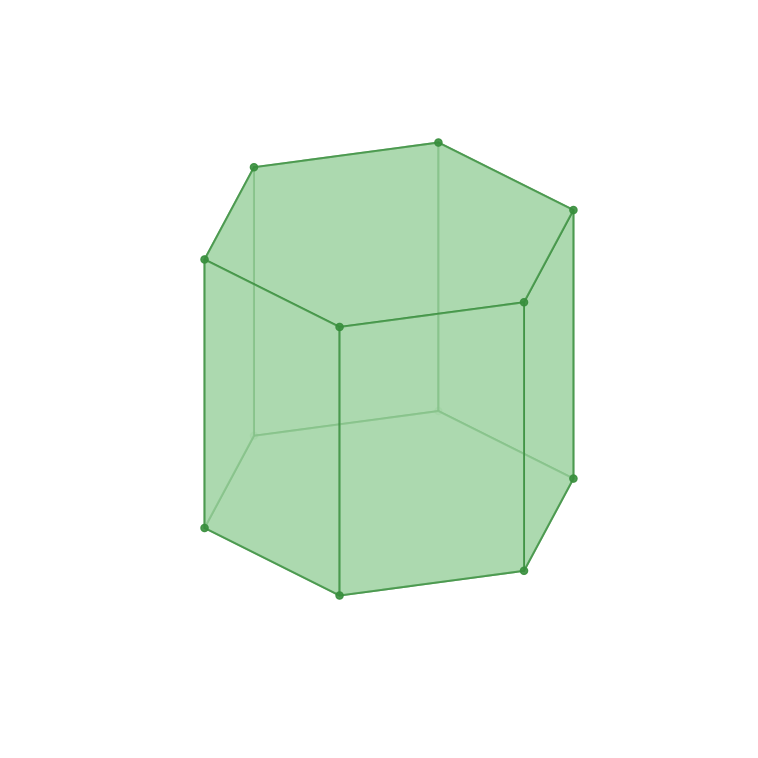
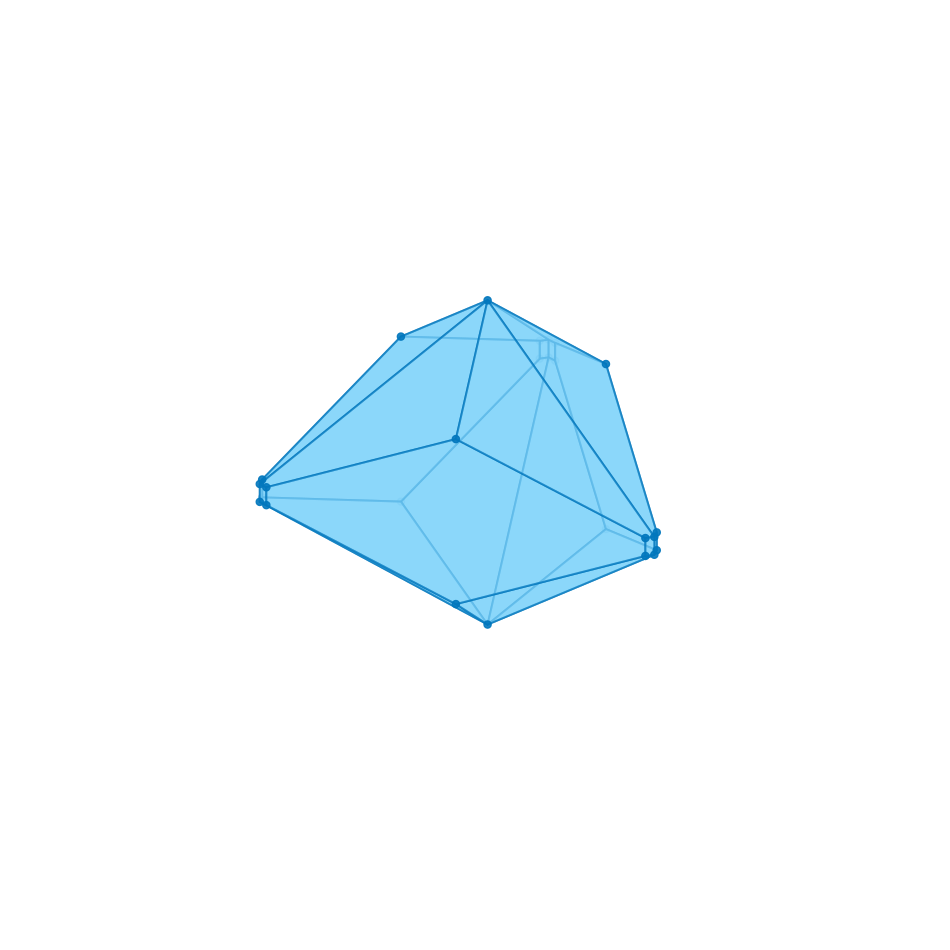
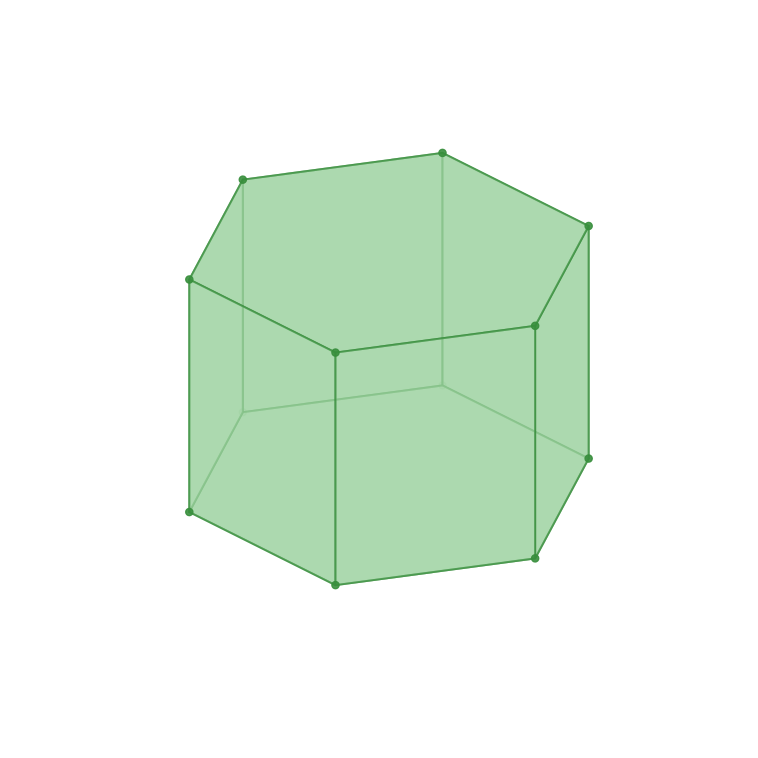
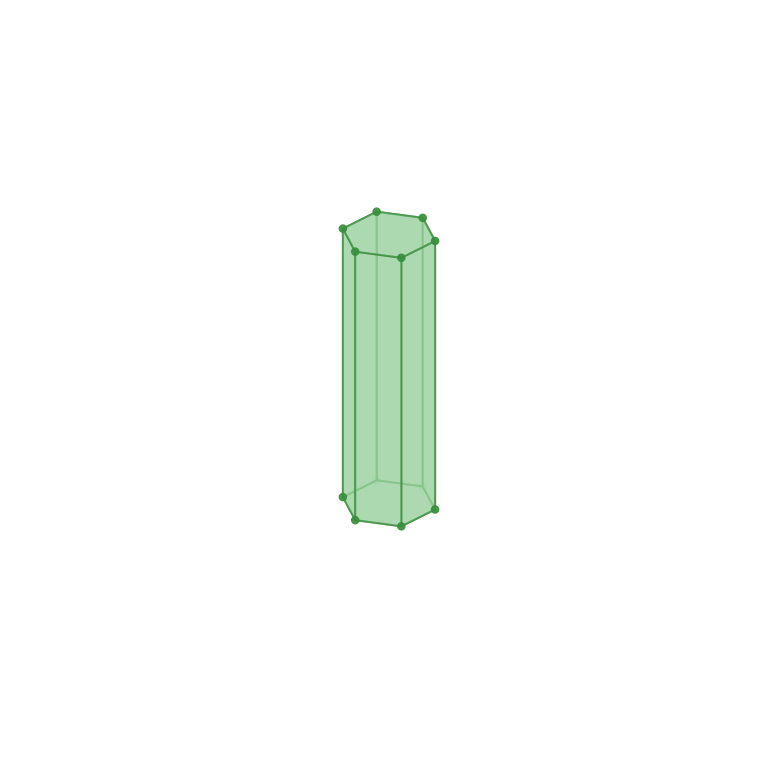
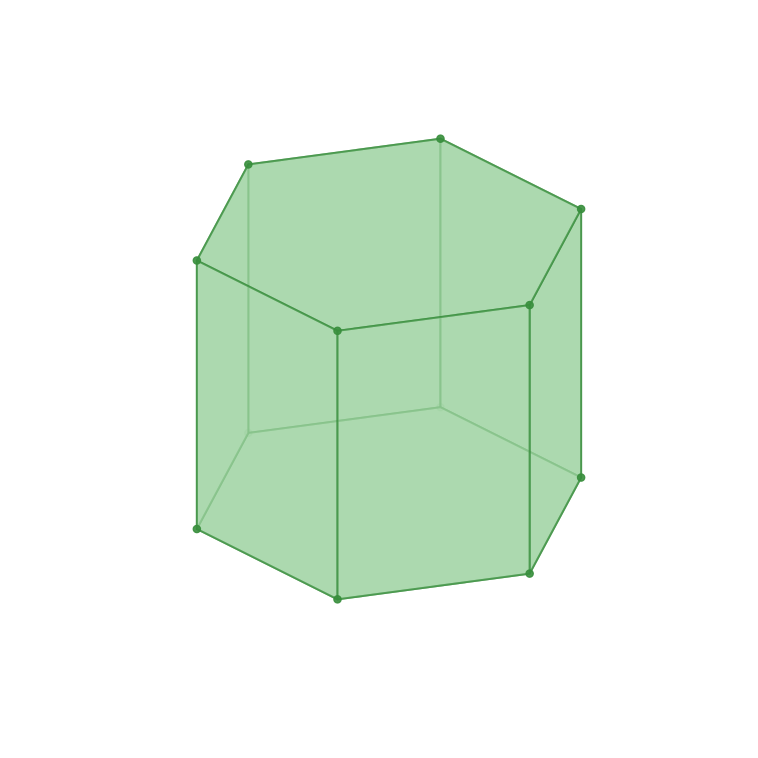
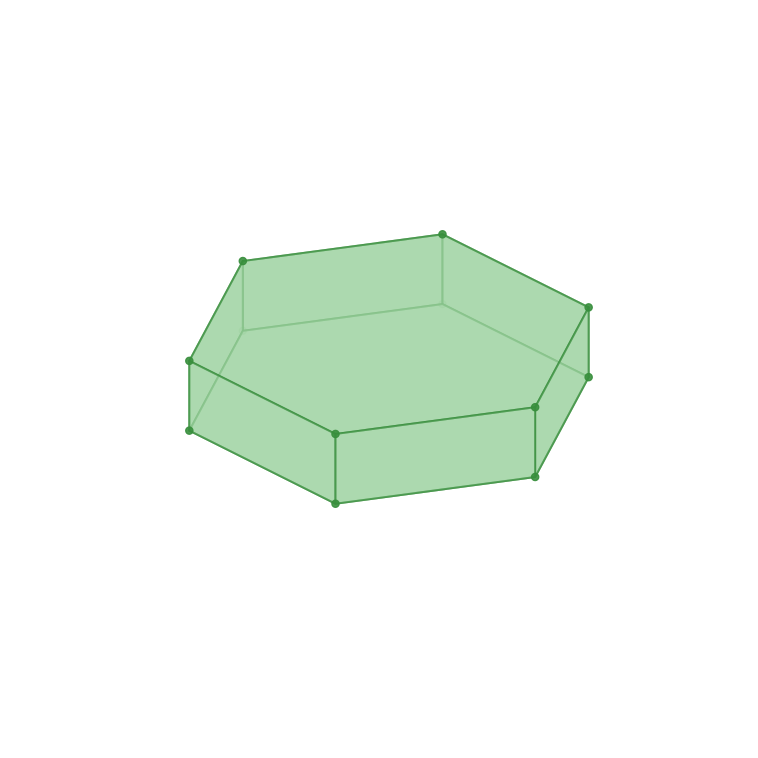
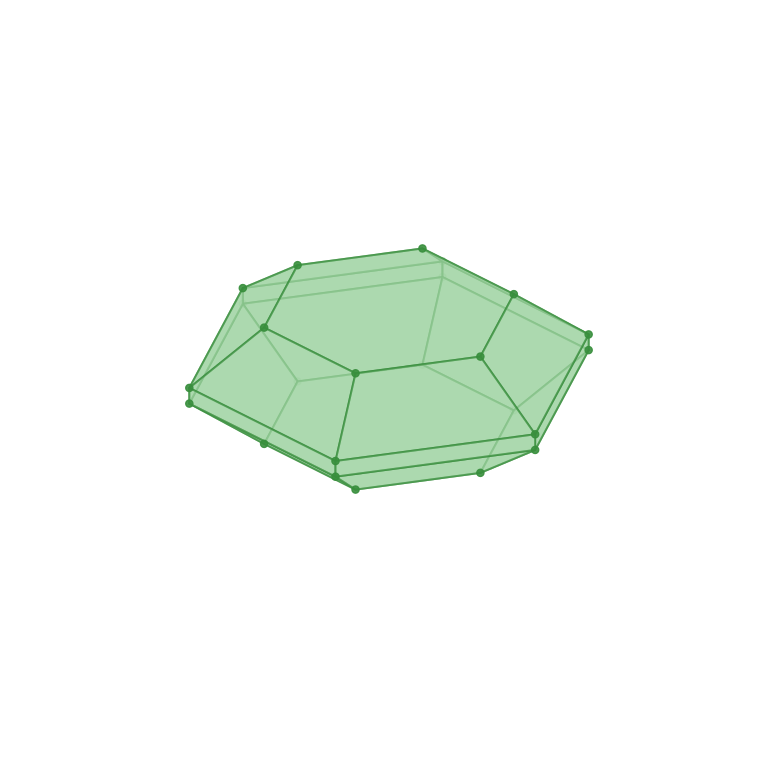
#! Habit: Hexagonal prism with dipyramid and pinacoid
hexagonal[6/mmm]:{10-10}@1.0 + {10-11}@0.8 + {0001}@0.5
hexagonal
6/mmm
{10-10} {10-11} {0001}
Quick Facts
Hardness
5.0
Specific Gravity
3.16
Refractive Index
1.628
Optical Character
Uniaxial -
Physical Properties
- Crystal System
- hexagonal
- Hardness (Mohs)
- 5.0
- Specific Gravity
- 3.16
- Cleavage
- Poor {0001}
- Fracture
- Conchoidal to uneven
- Lustre
- Vitreous to subresinous
Optical Properties
- Refractive Index
- 1.628
- Birefringence
- 0.002-0.008
- Optical Character
- Uniaxial -
- Dispersion
- 0.013
- Pleochroism
- weak: Body color / Lighter/paler shade (Best seen in blue and green varieties; neon blue shows blue/colorless)
- Fluorescence
- Variable; yellow, orange, or blue depending on activator
Characteristics
Colours
Blue (neon, Paraiba-like)GreenYellowVioletPinkColourless
Localities
Brazil (Paraiba blue-green)Madagascar (neon blue)Mexico (yellow)Morocco (tabular)MyanmarTanzania
Common Inclusions
Liquid-filled tubesHealed fracturesCrystals
Known Treatments
Heat treatment (improves colour)
Crystal Forms
hexagonal_prismdipyramidpinacoid
Diagnostic Features
Hexagonal crystals; moderate hardness (5); wide range of fluorescence colours
Notes
Called the deceiver stone because its colours and properties mimic tourmaline, topaz, and other gems
Related Minerals
Other minerals in the hexagonal system